AVN-GPIO
AVN-GPIO GPIO to LAN Transceiver (PTP, EMBER+ & UDP)
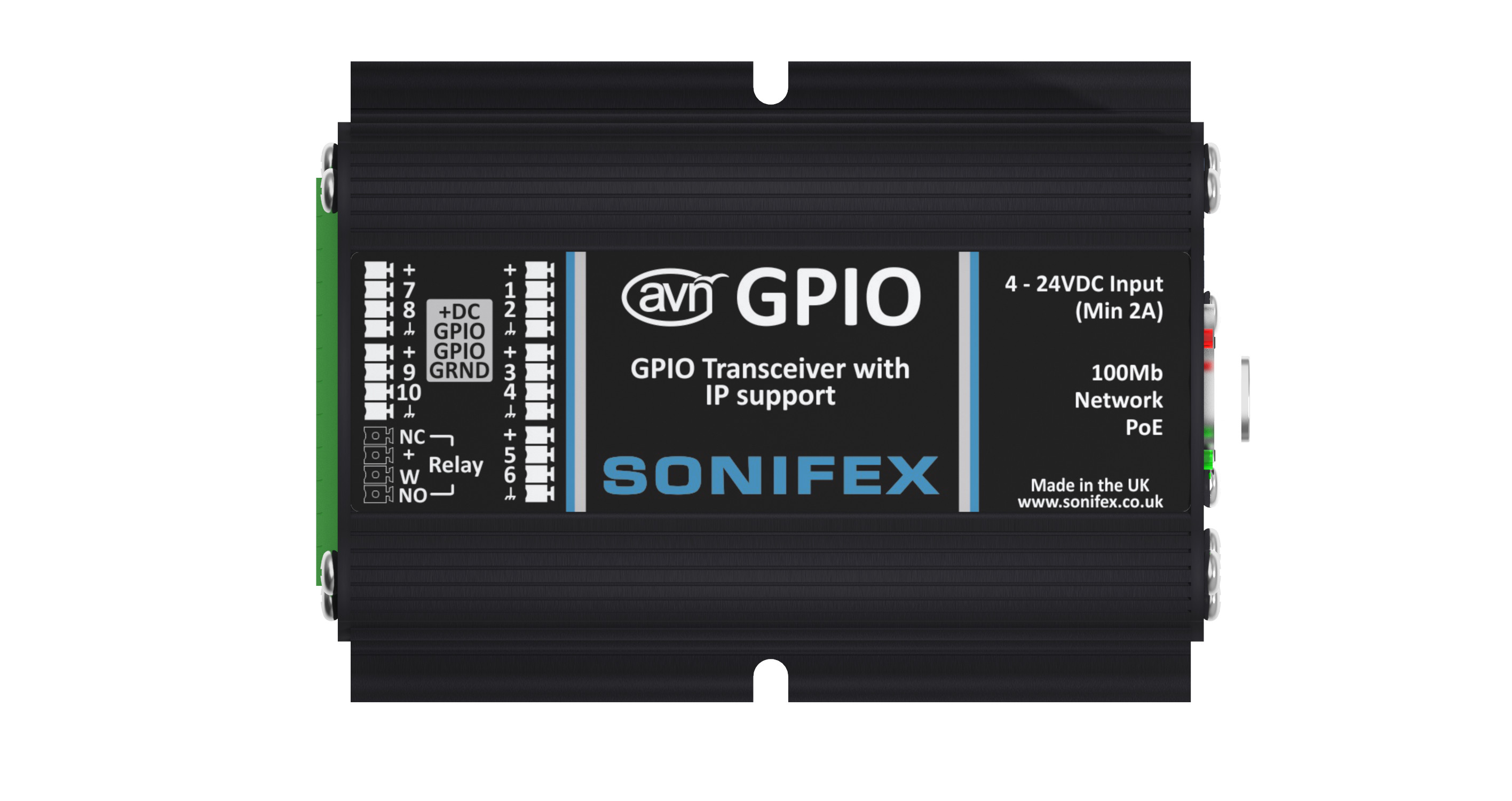
The AVN-GPIO is part of the AVN range of network interface boxes, which converts GPIO (General Purpose Inputs & Outputs) to network commands to control, and be controlled by, other equipment or software across a standard network.
AVN-GPIO
AVN-GPIO GPIO to LAN Transceiver (PTP, EMBER+ & UDP)
At a Glance
The AVN-GPIO converts GPIO (General Purpose Inputs & Outputs) to network commands, allowing it to control, and be controlled by, other equipment or software across a standard network. It is powered by PoE or an optional 12VDC power supply (AVN-DC024). It has 10 configurable GPIOs, 8 of which can be used for PTP-based programming, together with a relay. It also provides virtual GPIO, allowing the device to trigger or be triggered by other Sonifex devices on the network without the need for additional wiring (virtual GPIO communication occurs via the Ethernet connection). Virtual GPIO supports Ember+ parameter types other than Boolean, and can operate in consumer and provider modes, allowing the AVN-GPIO to control or be controlled by values in remote Ember+ provider trees. Units can either be interfaced together across a network, or Ember+ and UDP commands can be used to accept commands from, or drive, the AVN-GPIO.
PTP Timing
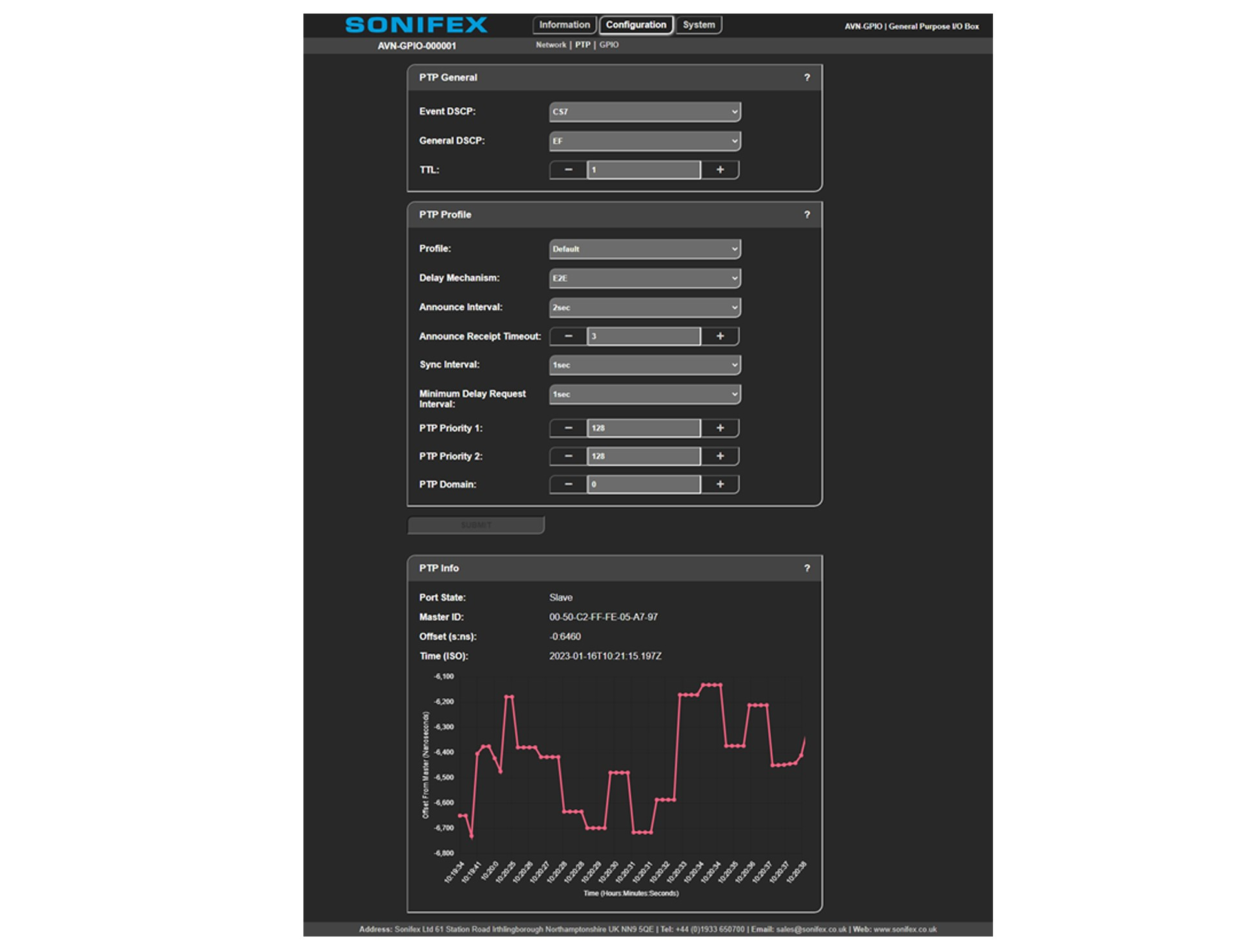
The AVN-GPIO is a PTP (Precision Time Protocol) enabled GPIO device. IEEE1588-2008 PTPv2 is used to keep a hardware clock in sync with a PTP master, such as the AVN-GMCS Grandmaster Clock, achieving sub-10ns synchronisation to the master reference. This allows the AVN-GPIO to accurately timestamp input events and trigger outputs at configured times.
The AVN-GPIO supports Default and AES67 Media profiles, and also provides a Custom profile which can be configured by the user.
Configuration & Routing
The device is configured via a built-in web server. This allows the configuration of PTP as well as live monitoring of its status. A GPIO routing webpage is provided, allowing physical, timed and virtual inputs to be routed to physical, timed and virtual outputs.
UDP Messaging
The AVN-GPIO provides a simple UDP messaging system that allows other devices on the network to query device status information, including GPIO and relay status and event timestamps. Input events can be timestamped using the hardware PTP clock, with both rising and falling edge events detected. Custom applications can also be written to query this information via UDP. Event information, including timestamps and rising or falling edge detection, can also be reported via syslog for remote monitoring. PTP status can also be queried via UDP.
Timed & Normal GPIO
The device has 8 ‘timed’ GPIOs. When used as inputs, these can detect rising and falling edges and generate a timestamp synchronised to the hardware PTP clock. This means that recorded timestamps will be synchronised within 10ns of the PTP master in a correctly set up system. When set up as outputs, a signal can be generated precisely at a configured time, with the time at which the output toggles configurable down to the nanosecond. Alternatively, these timed GPIOs can be configured to act as ‘normal’ GPIOs depending on your application.
There are also two ‘normal’ GPIOs. When configured as inputs, these can be set to either momentary or latching mode. When set up as outputs, they pull the signal on the GPO pin down to ground when active.
Relay, DC Outputs & Housing
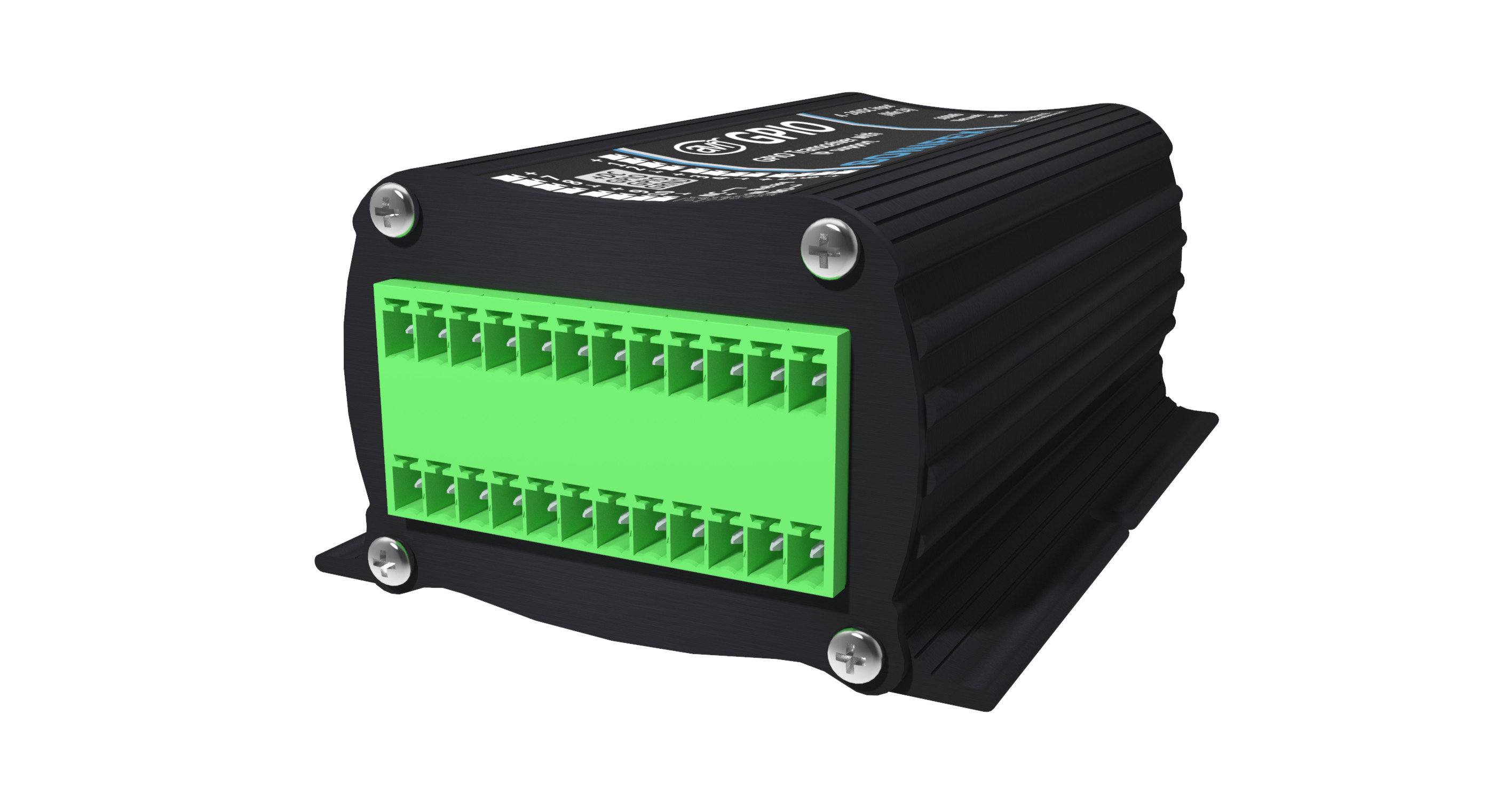
The AVN-GPIO has a voltage-free relay contact that can be used to operate external equipment, and also provides 6 x DC output voltage pins that can be used to power external equipment such as signage and various sensors and actuators. When powered via PoE (Power over Ethernet), the AVN-GPIO outputs 12V at 500mA total on these pins. When powered via the DC input (AVN-DC024), the AVN-GPIO provides 12V at 1.5A total on these pins. The DC outputs are fused to prevent drawing more current than the device can provide, and these fuses are automatically reset when the device is power cycled.
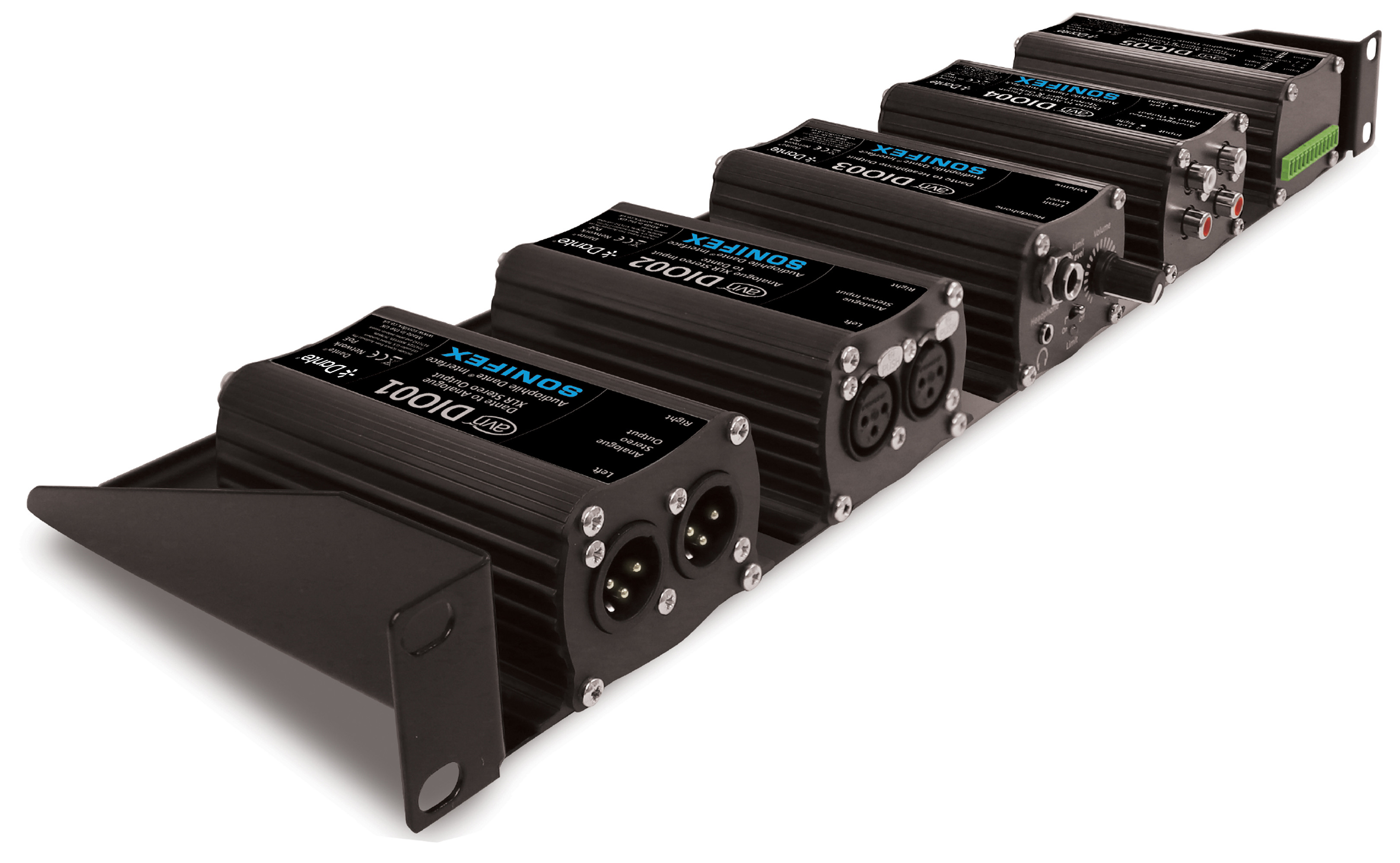
It is housed in a rugged aluminium enclosure with provisions for desk mounting, and an optional accessory, AVN-DIORK, allows multiple units to be installed on a 19″ rack-mount shelf.
Product Features
PTPv2 synchronisation keeps the hardware clock in sync with a PTP master, achieving sub-10ns synchronisation to the master reference.
8 PTP-enabled GPIOs provide highly accurate timestamping of input events and precisely timed output activation.
10 assignable GPIOs, 8 of which are PTP enabled.
Virtual GPIO allows physical GPIO actions to be sent across a network without additional wiring.
Virtual GPIO supports Ember+ consumer and provider modes, including non-Boolean parameter types.
Physical, timed and virtual inputs can be routed to physical, timed and virtual outputs.
Single voltage-free relay contact for operating external equipment.
Ember+ and UDP communication allows external systems and custom applications to interface with the AVN-GPIO.
UDP provides access to GPIO and relay status, event timestamps and PTP status.
Syslog support provides remote monitoring of GPIO events, including timestamps and rising or falling edge detection.
Built-in web server for configuration, status monitoring and GPIO routing from any device with a web browser.
PoE provides power and network connectivity via a single cable.
6 x DC output pins provide power for external equipment, with up to 12V at 500mA via PoE or 12V at 1.5A when powered from the optional AVN-DC024.
Optional AVN-DIORK provides 1U 19″ rack-mounting for multiple units.
Rugged aluminium enclosure with provisions for desk mounting.
Accessories
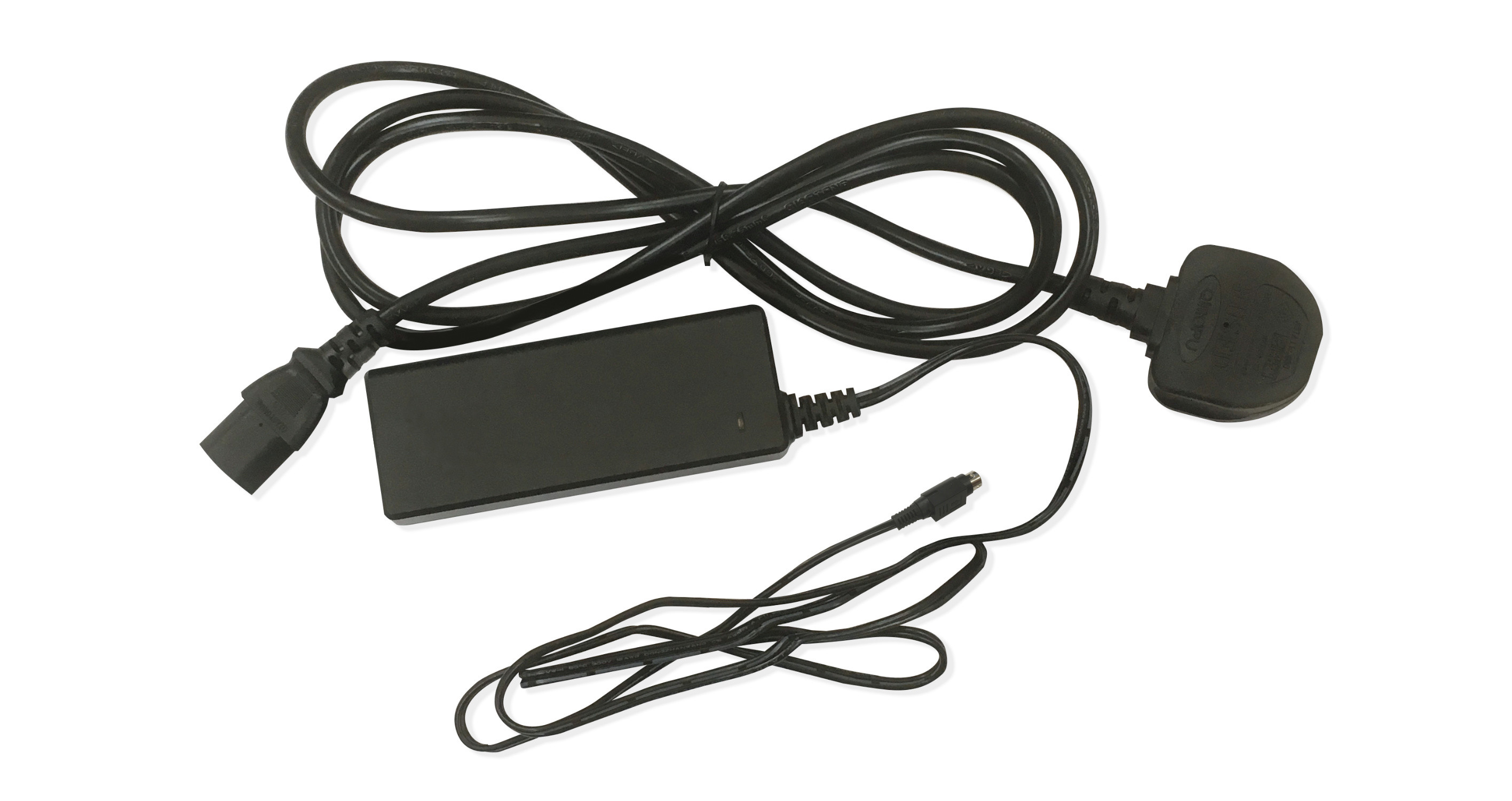
AVN-DC024 - 12VDC 2A Power Supply with 2.5mm Locking Plug (AVN-GPIO/AH8).
AVN-DIORK - AVN-DIO/GPIO 1U 19 Inch Rack Kit.
Typical Applications
Product Category
GPIO DevicesTECHNICAL SPECIFICATIONS
PTP Timing Specification | |
|---|---|
| Profile Support | IEEE 1588 Default Profile, AES67 Media & Customs Profile |
| Timing Protocol | PTPv2, IEEE 1588-2008 |
| Timing Accuracy | PTP time stamping resolution 8 nanoseconds |
Connections | |
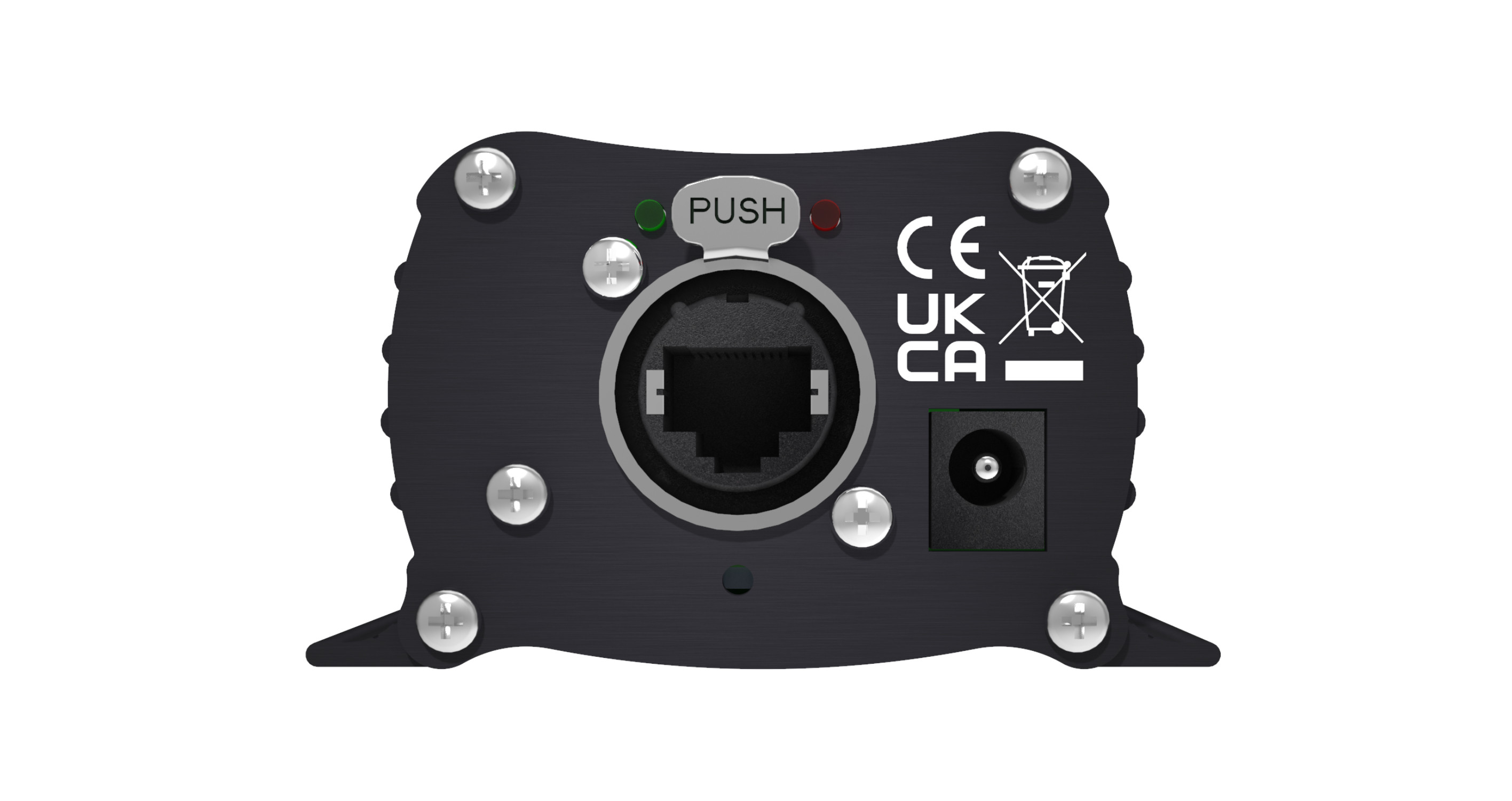
| Network | 1 x 100 Mbit/s Ethernet (RJ45/100BASE-TX) with Power over Ethernet (PoE) |
| DC Power In | 1 x 2.5mm locking DC inlet Centre pin positive |
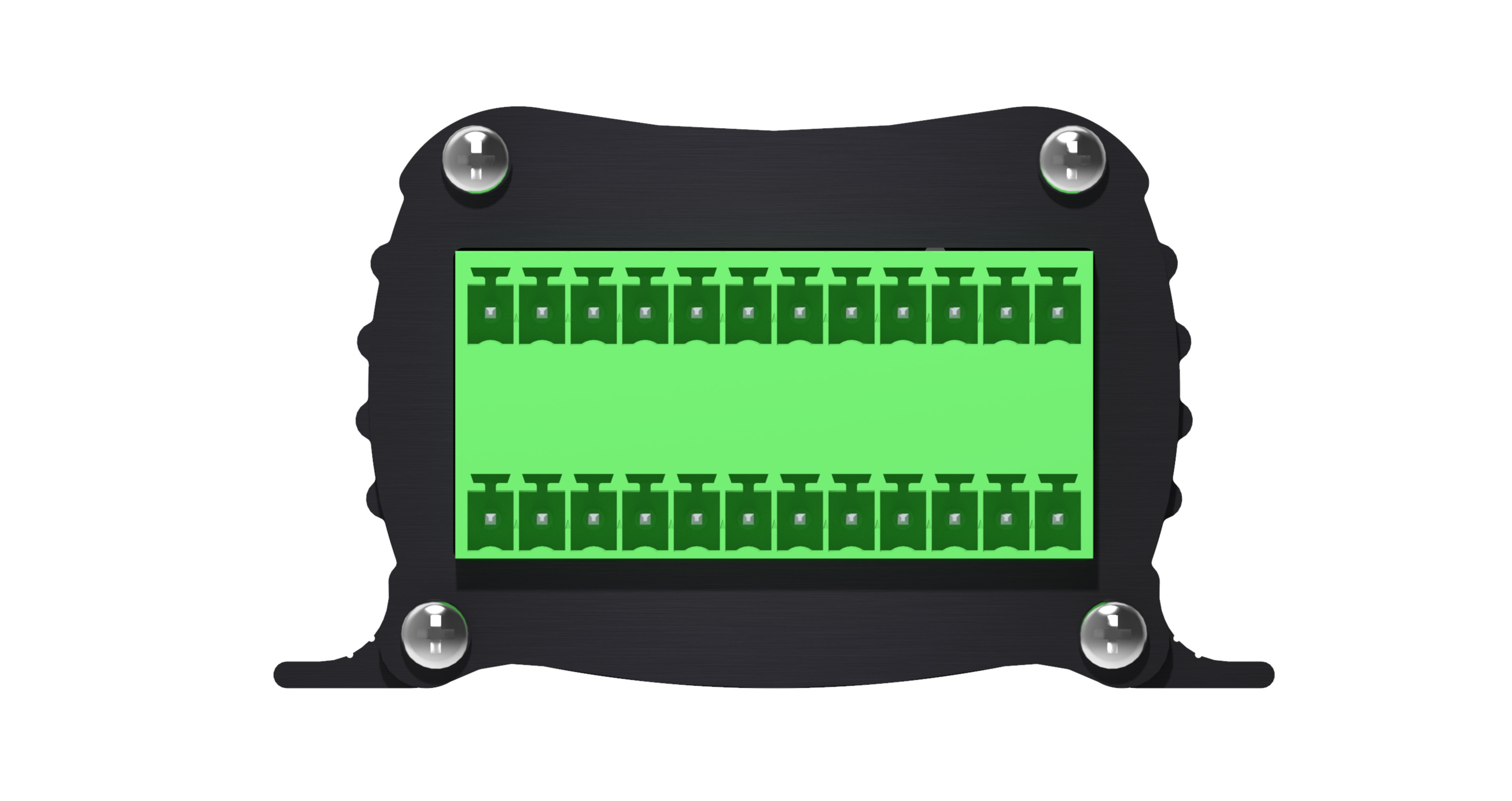
| GPIO Connector | 1 x 24-Pin Phoenix Style Terminal Block |
| GPIO Format | 10 x GPIOs (8 x PTP enabled), configuarable as pull-low inputs or open collector outputs |
| Voltage Free Relay Contacts | NC, NO, Wiper |
| Relay Contacts Max Voltage | 125V (AC) 30V (DC) |
Power over Ethernet (PoE) | |
| Standard | IEEE 802.3af |
| Class | 0 |
| PD Power Range | 0.44 W to 12.94 W |
| Typical PSE Power Usage | 2.3W |
| Max PSE Power Usage | 15.4 W |
DC Power Out (Powered by PoE) | |
| Voltage | 12V DC |
| Max Current | 300mA |
DC Power In | |
| Min Voltage | 4V DC |
| Max Voltage | 24V DC |
| Min external supply current | 2A |
DC Power Out (Powered by DC input) | |
| Voltage | Follows DC Input |
| Max Current | 1A |
Ember+ Interface Connection | |
| Interface Type | Provider and Consumer |
UDP Interface Connection | |
| Port | 31780 |
Equipment Type | |
| AVN-GPIO | GPIO to LAN Transceiver (PTP, EMBER+ & UDP) |
Physical Specification | |
| Dimensions (Raw) | 10.6cm (W) x 7.3cm (D) x 4.3cm (H) 4.2" (W) x 2.9" (D) x 1.7" (H) |
| Dimensions (Boxed) | 17.4cm (W) x 9.5cm (D) x 5.6cm (H) 6.9" (W) x 3.7" (D) x 2.2" (H) |
SUPPORT
| Powering and Controlling SignalLED Signs with an AVN-GPIO GPIO to LAN Transceiver | [Download] | |
| AVN-GPIO Handbook | [Download] | |
| AVN-GPIO Ember+ Reference | [Download] |
Brochures
| Click to visit the brochures page. |
Declarations
| Click to visit the declarations page. |
| Service Discovery (find device IP addresses on your local network) | Version | Date | [Download] | |||
| AVN-GPIO | Version | 3.1.398 | Date | 05/05/2026 | [Download] |
| Full release notes for all firmware versions | [Download] |